
|
p-Benzoquinone |
Hazard Statements
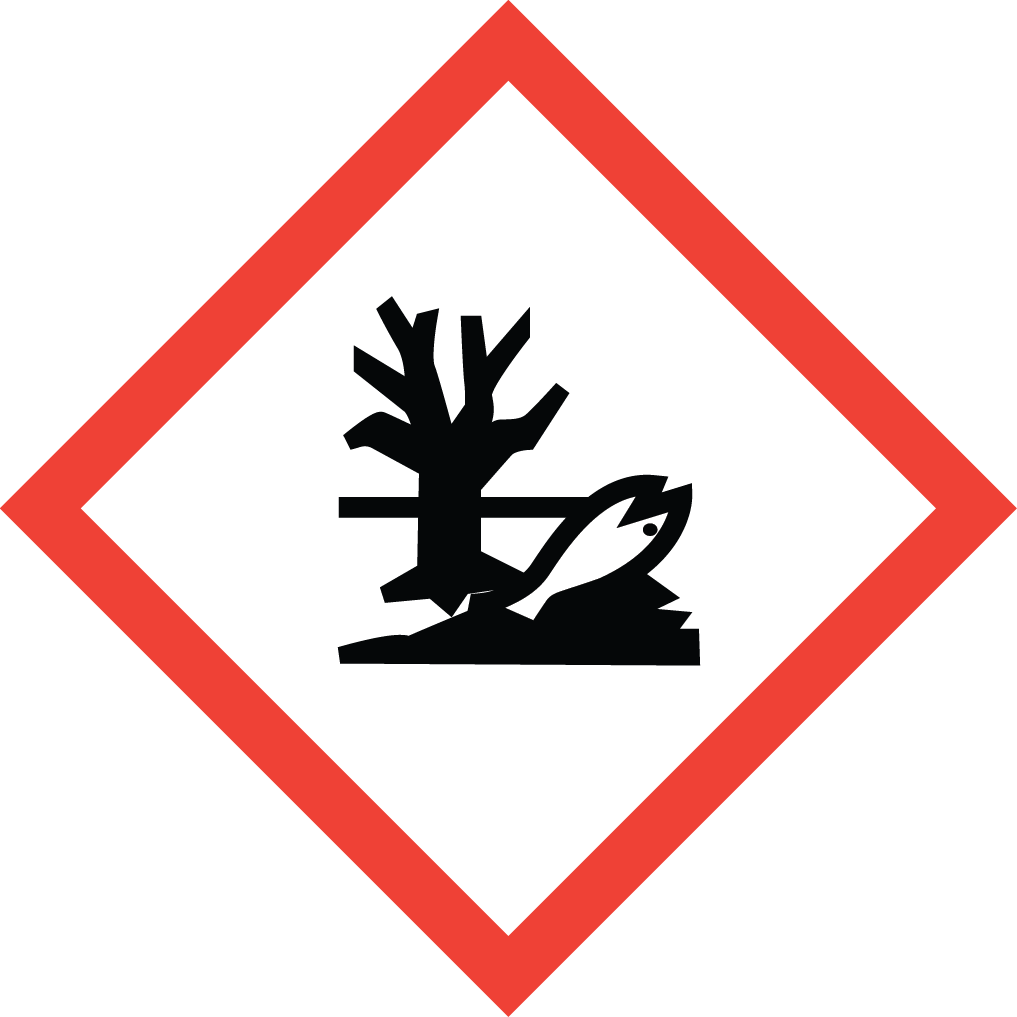
H228Flammable solid.H301 + H331Toxic if swallowed or if inhaled.H314Causes severe skin burns and eye damage.H317May cause an allergic skin reaction.H335May cause respiratory irritation.H410Very toxic to aquatic life with long lasting effects.
Precautionary Statements
Keep away from heat/sparks/open flames/hot surfaces. No smoking. Ground/bond container and receiving equipment. Use explosion-proof electrical/ ventilating/ lighting equipment. Do not breathe dust or mist. Wash skin thoroughly after handling. Do not eat, drink or smoke when using this product. Use only outdoors or in a well-ventilated area. Contaminated work clothing must not be allowed out of the workplace. Avoid release to the environment. Wear protective gloves/ protective clothing/ eye protection/ face protection. IF SWALLOWED: Immediately call a POISON CENTER/doctor. Rinse mouth. IF SWALLOWED: Rinse mouth. Do NOT induce vomiting. IF ON SKIN (or hair): Take off immediately all contaminated clothing. Rinse skin with water/shower. IF INHALED: Remove person to fresh air and keep comfortable for breathing. Immediately call a POISON CENTER/doctor. IF IN EYES: Rinse cautiously with water for several minutes. Remove contact lenses, if present and easy to do. Continue rinsing. Immediately call a POISON CENTER/doctor. If skin irritation or rash occurs: Get medical advice/ attention. Wash contaminated clothing before reuse. In case of fire: Use dry sand, dry chemical or alcohol-resistant foam to extinguish. Collect spillage. Store in a well-ventilated place. Keep container tightly closed. Store locked up. Dispose of contents/ container to an approved waste disposal plant.
Manufacturer information
Name
Sigma-Aldrich, Inc.
Phone
1 314 771-5765
Address
3050 SPRUCE ST
ST. LOUIS , MO 63103
PICTOGRAMS
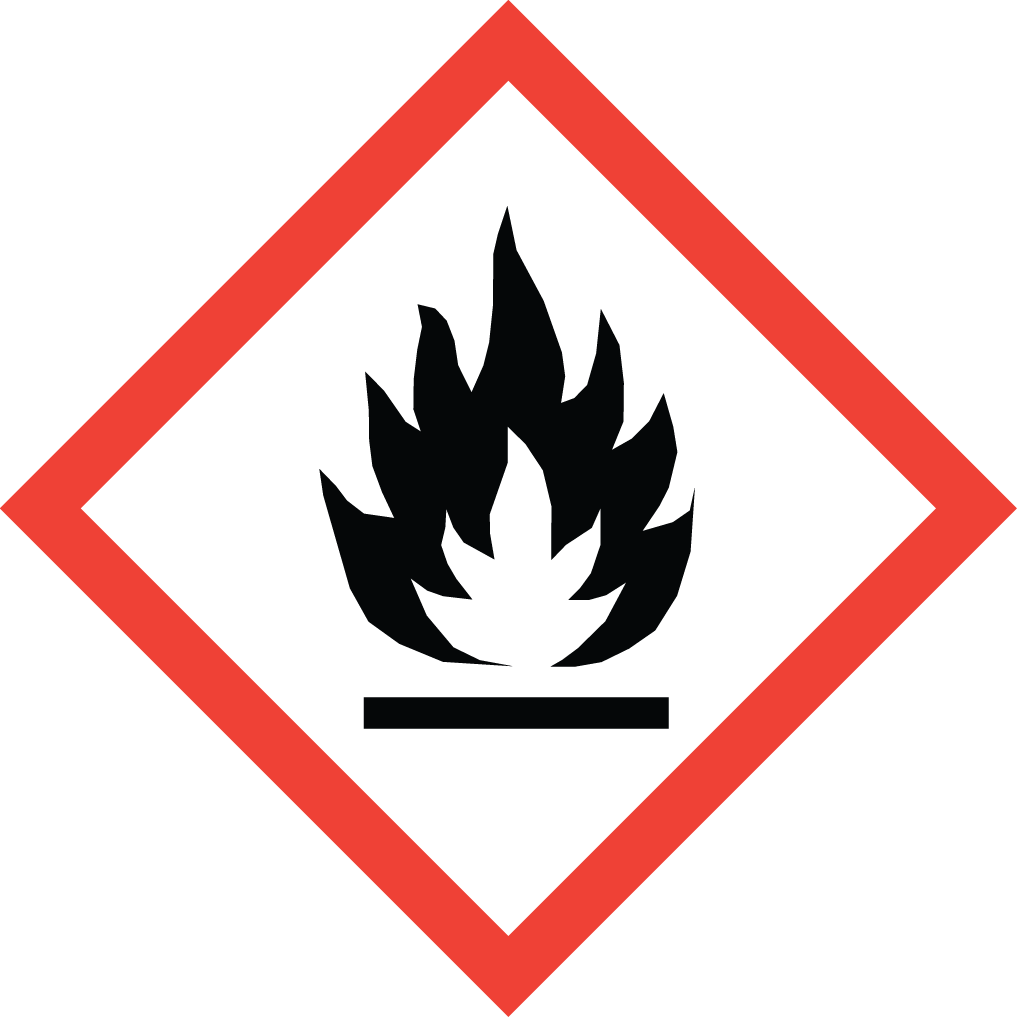
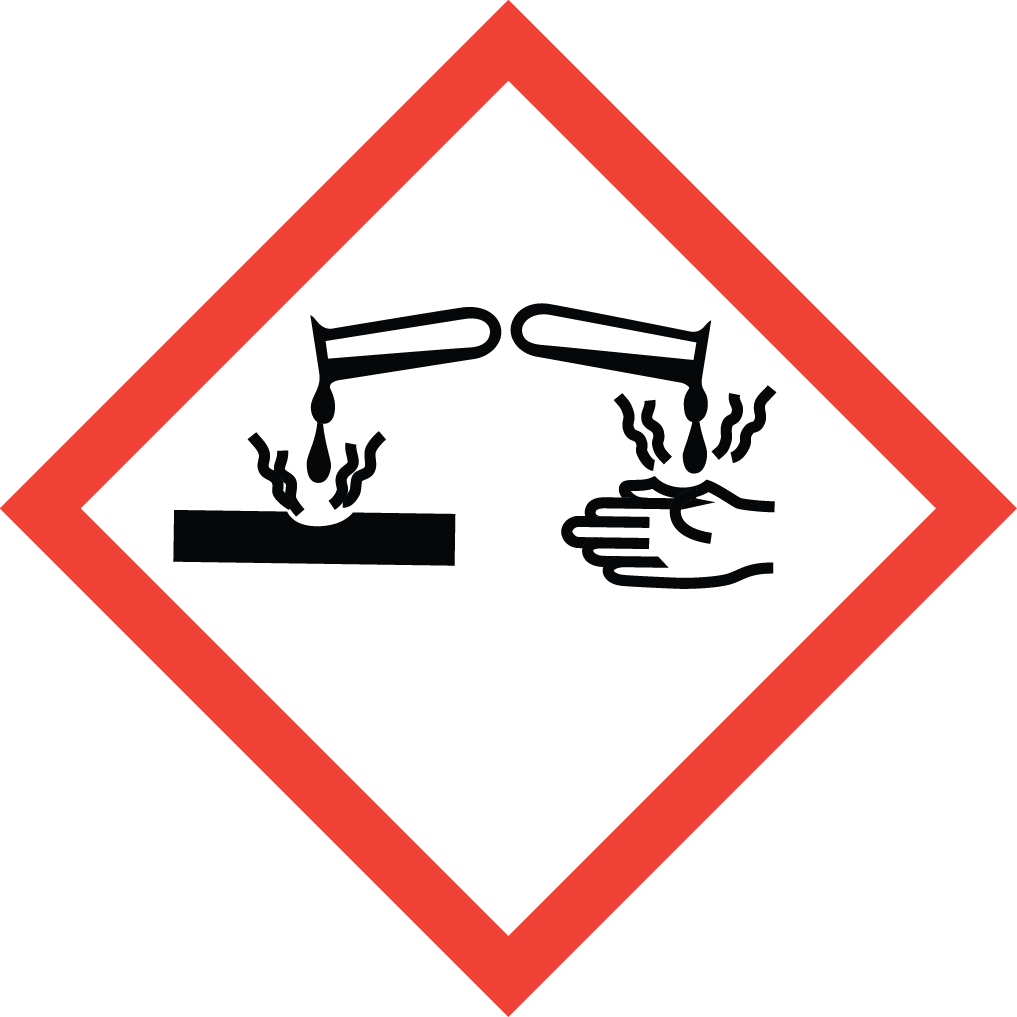
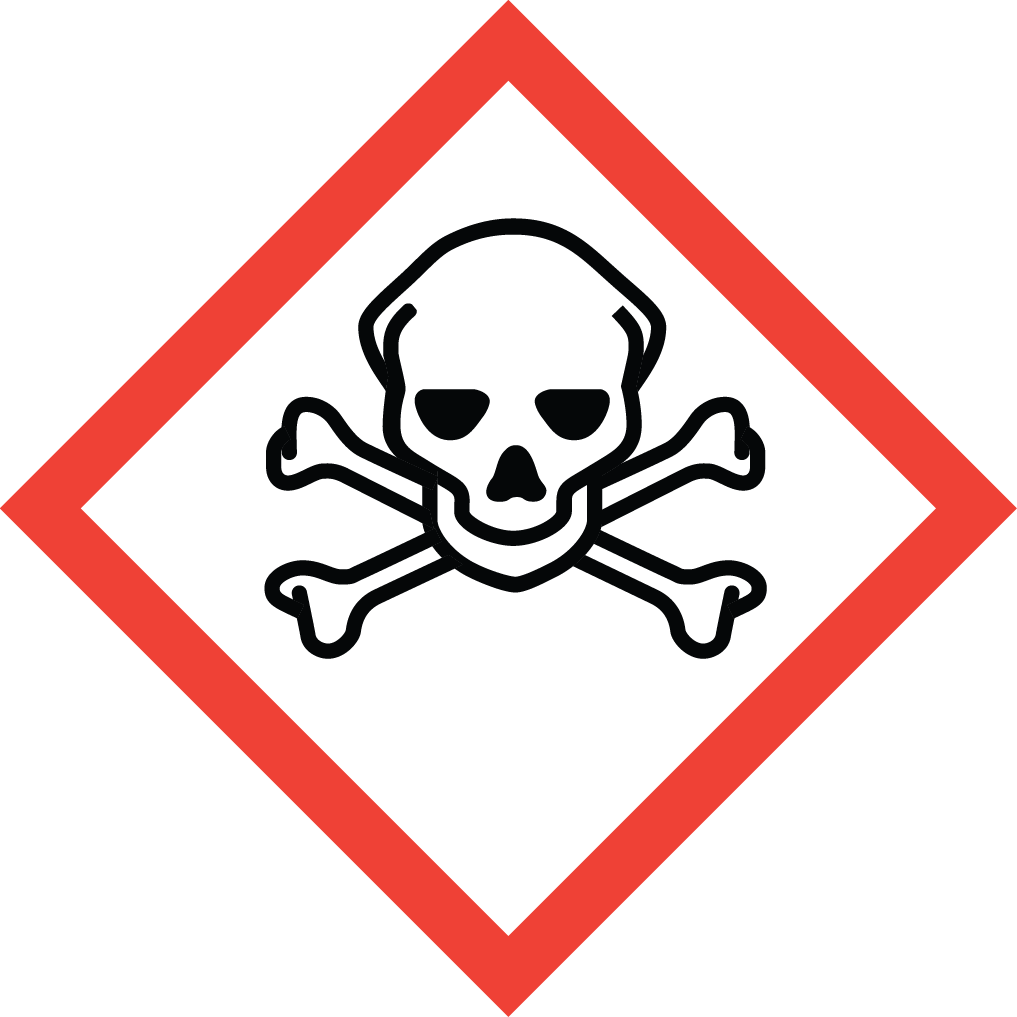
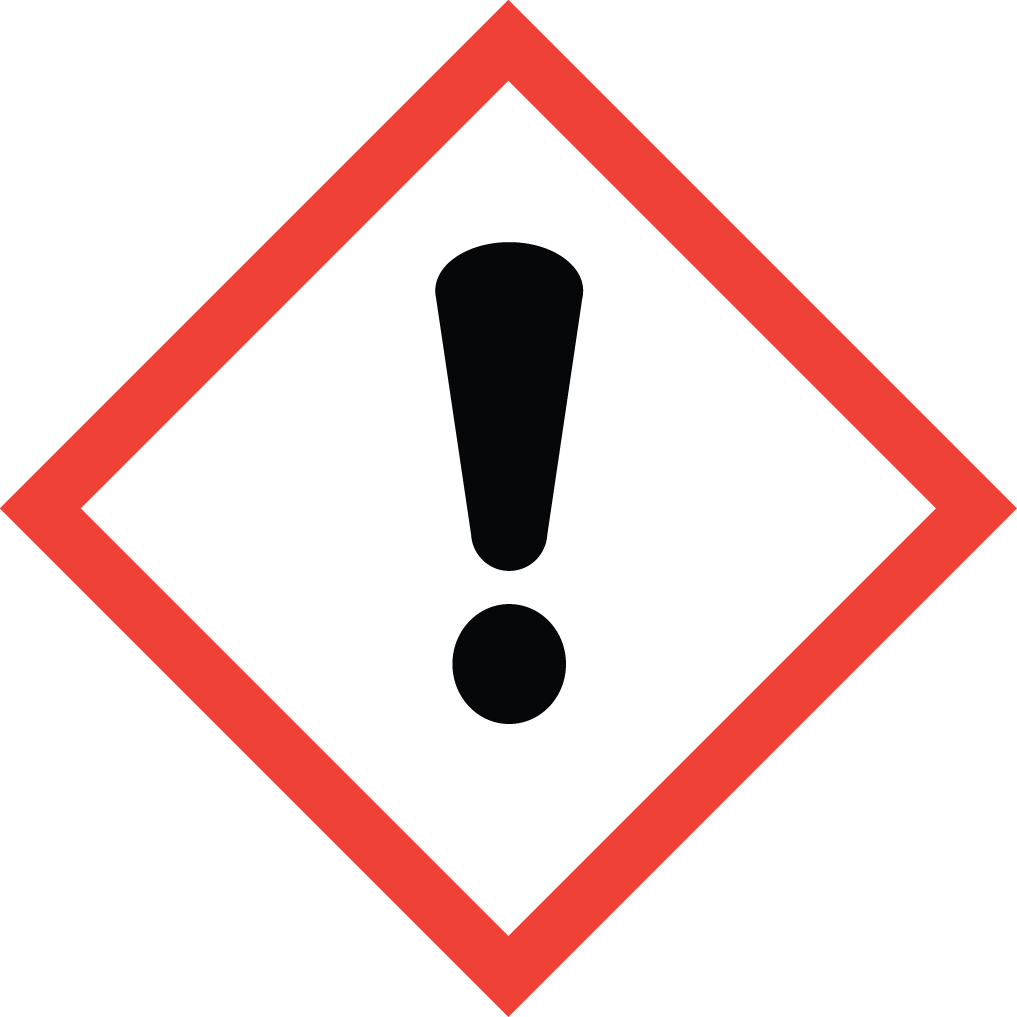
HMIS
| HEALTH |
|
| FLAMMABILITY |
|
| PHYSICAL HAZARD |
|
| PERSONAL PROTECTION |
Eye/face protection Face shield and safety glasses Use equipment for eye protection tested and approved under appropriate government standards such as NIOSH (US) or EN 166(EU). Skin protection Handle with gloves. Gloves must be inspected prior to use. Use proper glove removal technique (without touching glove's outer surface) to avoid skin contact with this product. Dispose of contaminated gloves after use in accordance with applicable laws and good laboratory practices. Wash and dry hands. Body Protection Complete suit protecting against chemicals, Flame retardant antistatic protective clothing., The type of protective equipment must be selected according to the concentration and amount of the dangerous substance at the specific workplace. Respiratory protection Where risk assessment shows air-purifying respirators are appropriate use a fullface particle respirator type N100 (US) or type P3 (EN 143) respirator cartridges as a backup to engineering controls. If the respirator is the sole means of protection, use a full-face supplied air respirator. Use respirators and components tested and approved under appropriate government standards such as NIOSH (US) or CEN (EU). |
Northern Michigan University
Local data
SKU #